Children’s Nutrition
Weight, growth, and feeding for children, with parents rather than at them.
Does this sound like you?
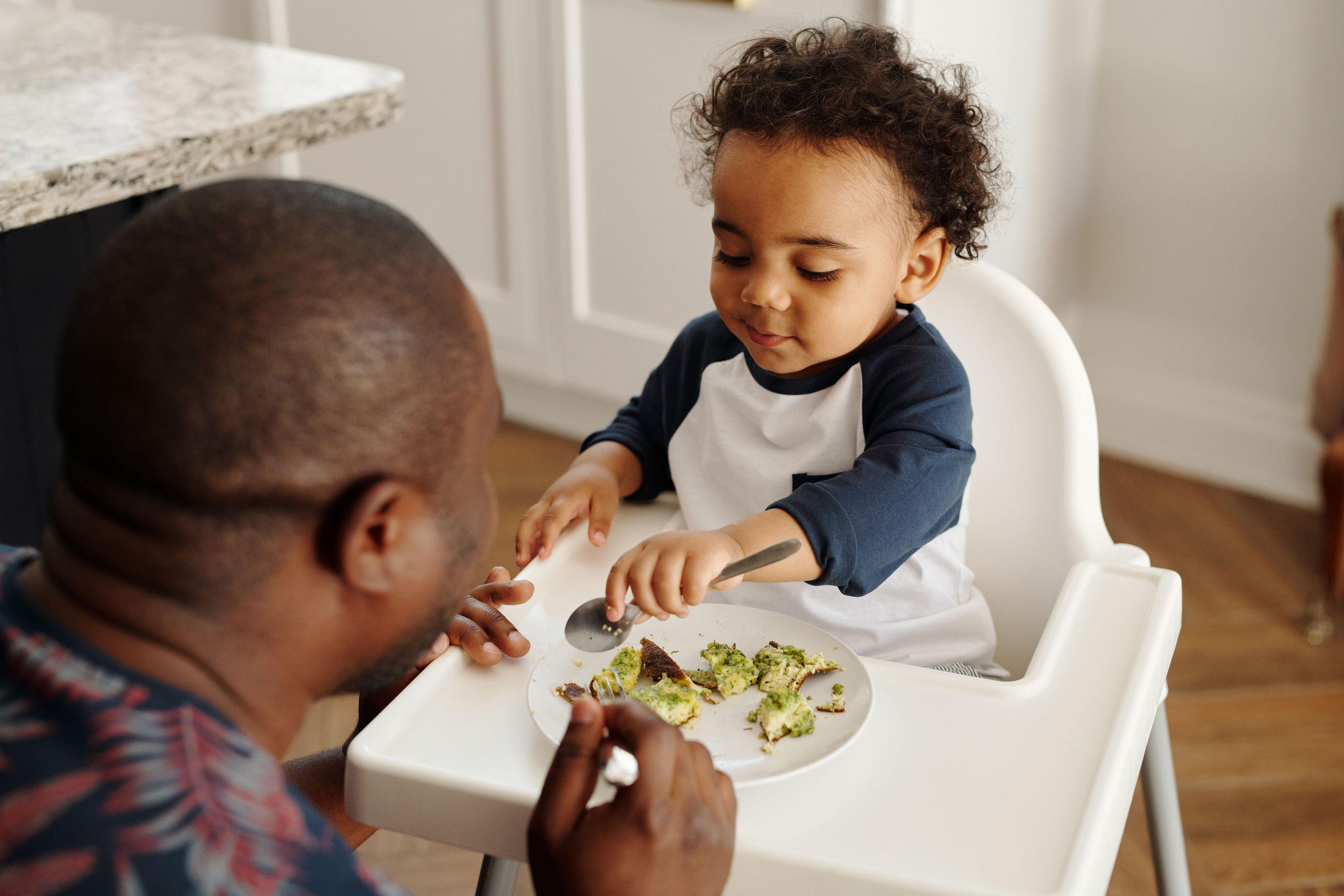
Mealtimes have turned into a fight, every day.
They’ll eat four things, and nothing you try changes it.
You’re worried about their growth, or their weight.
Everyone has advice for you, and none of it fits your child.
Most children whose parents worry about their eating turn out to be only mildly affected, and what usually needs changing is how mealtimes run, not the child.
5 of 8
food groups a day for children aged 6–23 months, WHO’s minimum diversity benchmark
How I help
Here’s how I work with parents.
With you, not at you
You won’t get a lecture. You know your child and I know the nutrition, and the plan gets built out of both.
Growth read properly
The worry is usually growth, and growth is read against WHO’s charts over time. One weight on one day doesn’t tell you much.
Ghanaian food, five groups a day
For a child between six months and two years, the benchmark is food from at least five of eight groups across the day. We build that out of what your family already cooks.
I’ll say when it isn’t a food problem
Some signs mean a doctor first: growth falling away, feeding that looks painful, or trouble feeding alongside developmental delay.
Before you book
My child is picky. Is that normal?
Usually, yes. Most children whose parents worry are only mildly affected. What helps is changing how the meal runs, not forcing the food.
Do I need to buy special foods?
No. The benchmark is variety across the day, five food groups out of eight, and ordinary Ghanaian family food covers that.
Will you tell me I’ve been doing it wrong?
No. Parents get plenty of that already. We work out what to try next, together.
When should I see a doctor instead?
If growth is falling away, if feeding looks painful or they choke, or if vomiting, heavy diarrhoea or developmental delay sit alongside it.
From Fredericka
Parents who come to me have usually been told to relax, and told by someone else to worry, and neither one came with anything to do on Tuesday evening.
We work on the meal itself: what’s on the table, who decides what goes in, and how it ends. That’s the part that moves, and it moves without anyone being shamed into it.
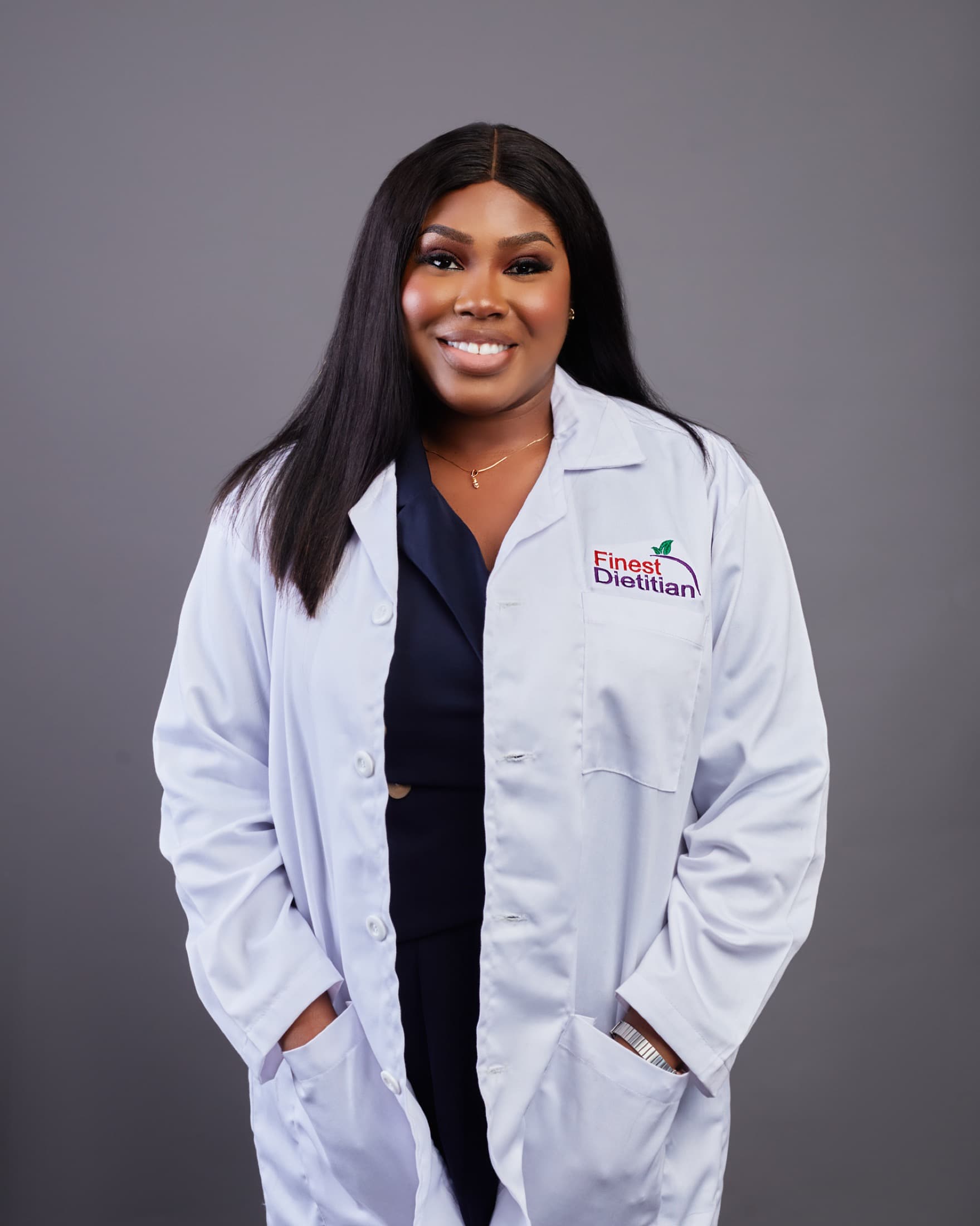
- Registered Dietitian, licensed by Ghana’s Allied Health Professions Council (PIN 14191919).
- MPhil, Human Nutrition and Dietetics, Kwame Nkrumah University of Science and Technology.
- BSc, Foods and Nutrition, University of Cape Coast.
- Postgraduate certificate, Wageningen University & Research.
- Founder and director, PCOS Foundation Ghana.